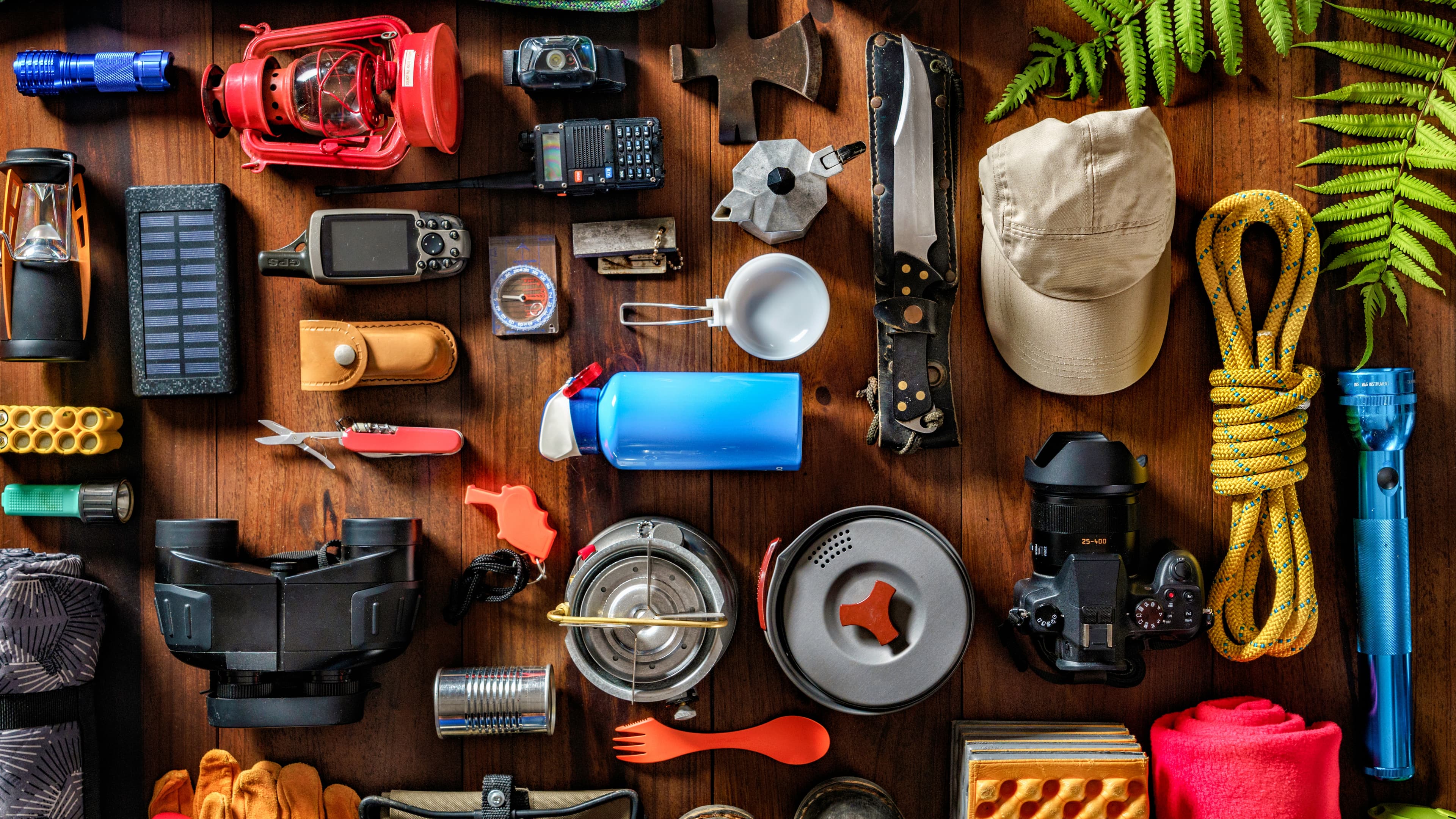
The gear, the site, and the safety protocol that make going alone work, not just get you through it.
Solo camping is more popular than ever, and the gap between wanting to go and actually going well-prepared is where most first-timers run into trouble. These solo camping tips cover the gear decisions that matter most for one person, how to choose a site that works in your favor, and the safety protocols that reduce real risk rather than just check a box.
The appeal is real. According to mytravelr, 69% of solo campers cite solitude as their primary motivation for going out alone. No group negotiation, no compromised pace, no one else's comfort level setting the agenda. But solitude also means no one else to catch your mistakes.
This guide focuses on the three areas where solo trips succeed or fail: gear weight and redundancy, site selection, and communication protocols. Not every possible scenario: the ones that actually matter.
In this guide
- Why solo camping demands a different approach
- Solo camping tips: gear for one person
- Solo campsite selection: what to look for
- Stay-safe protocols for solo trips
- Putting the trip together
- Frequently asked questions
Why Solo Camping Demands a Different Approach
Group camping has a built-in error buffer. Someone else packed the first-aid kit. Someone else knows the route. Someone else can go for help.
Solo camping removes all of that. Every decision is yours, and every gap in preparation is yours to absorb alone. That is not a reason to stay home. It is a reason to prepare differently.
According to campchap.com, between 40% and 60% of backcountry rescues are attributed to insufficient planning or inadequate communication tools. That figure is not about experience level. It is about preparation. Experienced campers get rescued too, usually because they skipped a step they thought they could skip.
The good news is that solo camping is growing fast, which means more resources, more community knowledge, and more tools than ever before. Tent Wanderers reported that solo camping rose to 30.6% of all camping trips in 2024, up from 18.8% in 2021. More people are doing this. More people are doing it well.
Solo Camping Tips: Gear for One Person
Keep the Base Weight Under Control
Carrying too much is the most common solo mistake. With no one to share the load, every ounce of unnecessary gear comes out of your legs and your pace. Camping Checklist recommends targeting a base gear weight of less than 20 pounds to maintain mobility on a solo trip. That number is achievable without sacrificing function.
The ultralight backpacking gear guide at Xploreum covers this in detail. The short version: shelter, sleep system, and kitchen are where most solo campers carry redundant or oversized gear. Cut there first.
Shelter: Prioritize Setup Speed and Wind Performance
A two-person tent is not a solo tent. It is heavier, harder to pitch in wind, and takes up more footprint than you need. A single-wall shelter or a well-designed one-person three-season tent gives you faster setup, lower weight, and a smaller site footprint.
For solo trips, setup speed matters more than it does in a group. You are doing it alone, often at the end of a long day, sometimes in deteriorating weather. Practice at home. Know your shelter.
Sleep System: Match to Conditions, Not to Optimism
Solo campers tend to underestimate how cold they will sleep. Without a partner sharing body heat in an enclosed space, you will sleep colder than the same conditions in a two-person setup. Choose a bag or quilt rated at least 10 degrees below the expected overnight low. A liner adds warmth and extends the range of a lighter bag.
Kitchen: Simplicity Over Variety
Cooking for one is genuinely easier than cooking for a group, but it is also where solo campers either nail efficiency or waste weight. A single-burner canister stove, a 750ml titanium pot, and a spork cover most scenarios. You do not need a full cook set.
Plan meals before you leave. Not loosely. Specifically. Breakfast, lunch, dinner, and snacks per day, with one extra day's food as buffer. Resupply planning for longer trips is worth thinking through carefully before you go, and the guide on planning multi-day backcountry campsites and resupply covers that in depth.
The Redundancy Rule for Solo Trips
In a group, redundancy is distributed. Solo, it lives in your pack. The items worth doubling up on are fire-starting tools, navigation (a physical map and a charged device), and water treatment. A backup headlamp battery costs almost nothing. A dead headlamp at 3am costs more than you want to pay.
Solo Campsite Selection: What to Look For
Distance and Difficulty for First Trips
If this is your first solo overnight, outdoorawaits.com recommends keeping total hiking distance under 8 miles. That ceiling exists for a reason. You are calibrating your pace, your pack weight, and your energy management all at once. An 8-mile day with a loaded pack is a real day.
Choose a site you can reach in daylight with time to spare. Arriving in the dark, alone, is not dangerous by itself, but it adds setup stress, reduces your ability to evaluate the site, and starts the night on the wrong foot.
Site Characteristics That Work in Your Favor
Look for natural wind protection from a ridgeline, tree line, or terrain feature. Exposed sites are harder to sleep in, harder to cook in, and feel more exposed psychologically, which matters more than most solo campers admit before their first night out.
Avoid low-lying areas near water. Cold air pools in depressions, and drainage can surprise you in weather that looked manageable on the forecast. A site slightly elevated from the surrounding terrain drains better, stays warmer, and gives you a better view of incoming weather.
Check the ground before you commit. Roots, rocks, and slopes are obvious. Less obvious: compacted ground that will not accept stakes, or soft ground near water that will soak through a footprint. Walk the site before you pitch.
Dispersed vs. Designated Sites for Solo Campers
Designated sites have the advantage of established infrastructure: bear boxes, fire rings, sometimes water. They also put other campers nearby, which some solo travelers find reassuring and others find counterproductive to the whole point.
Dispersed camping on BLM or National Forest land gives you more isolation, more flexibility, and often a better site. It also requires more self-sufficiency. You are responsible for Leave No Trace compliance, waste management, and fire regulations that vary by land agency and season. Know the rules before you go.
Stay-Safe Protocols for Solo Trips
The Trip Plan Is Not Optional
This is the one most solo campers skip because it feels like bureaucracy. It is not. A trip plan is a document you leave with someone who will act on it if you do not check in.
It should include your trailhead and parking location, your intended route and campsites, your expected return date and time, and a clear instruction for when to call search and rescue. "Call if I haven't contacted you by Sunday at 6pm" is a complete instruction. "I'll let you know when I'm back" is not.
According to campchap.com, filing a proper trip plan can reduce search and rescue coordination time by an average of 30 to 45 minutes. In a real emergency, that window matters.
Emergency Communication for Backcountry Solo Trips
Your phone is not an emergency communication device in the backcountry. It is a planning tool and a navigation aid, but it depends on cell coverage that does not exist in most places worth going.
A satellite communicator changes the risk profile of a solo trip more than any other single piece of gear. Devices like the Garmin inReach or SPOT give you two-way messaging and SOS capability anywhere on the planet. The subscription cost is real. The alternative is hoping nothing goes wrong.
For apps and navigation tools that work offline, the guide on best apps for remote hiking, campsites, and resupply covers the current options in detail.
Wildlife Safety When You Are Alone
Bear canisters are required in many wilderness areas and strongly recommended everywhere else. Hanging food is better than nothing, but a canister is more reliable and requires less site-specific skill. Solo campers cannot rely on a second person to help with a hang or to watch the perimeter while the other sleeps.
Cook and eat away from your sleeping area. Store all food, trash, and scented items in your canister or bear box at night. This is not a suggestion. It is the difference between an uneventful night and a very eventful one.
Know the wildlife profile of the area before you go. Bear country, mountain lion territory, and snake-dense terrain each have specific protocols. Read the land agency guidance for your specific destination, not generic advice.
Managing the Mental Side of Solo Camping
The first solo night is often harder than the trip itself. Sounds are louder. Darkness feels different. The absence of another person is something you feel physically.
This is normal. It passes. Most solo campers report that the second night is significantly easier than the first, and that the mental clarity that comes from a few days alone is one of the strongest reasons they go back.
TrailMapz has noted that solo wilderness trips result in significantly greater stress hormone reduction compared to group outings. The science lines up with what solo campers describe. The quiet is the point.
Go with a plan, not with a hope that it will feel fine. Know your campsite, your route, and your emergency protocol before you leave. Anxiety shrinks when the logistics are solid.
Putting the Trip Together
Solo camping is a skill that compounds. The first trip teaches you what you actually need. The second teaches you what you can leave behind. By the third or fourth, you have a system.
The planning side (coordinating campsites, driving legs, trailheads, and logistics into one connected journey) is where a lot of time gets lost before you even leave home. Xavier, Xploreum's AI agent companion, takes a plain-language description of your trip and builds a personalized Xpedition in under a minute, organizing routes, campsites, fuel stops, and activities into one interactive map you can edit and share. It does not replace your judgment in the field. It handles the coordination so you arrive prepared.
You can also explore the best apps for hiking and camping trip planning to build out the rest of your toolkit before the trip. Start planning at xploreum.io.
Frequently asked questions
Is solo camping safe for beginners?
Yes, with the right preparation. The key variables are choosing an appropriate first site, keeping distance manageable, filing a trip plan with someone who will act on it, and carrying a satellite communicator if you are going into areas without cell coverage. Most solo camping incidents trace back to planning gaps, not to the fact of being alone.
What gear is essential for a one-person camping trip?
The non-negotiables are a shelter rated for the conditions, a sleep system matched to the expected overnight low, a water treatment method, a navigation device with offline maps, fire-starting tools with a backup, a first-aid kit, and an emergency communication device for backcountry trips. Keep base weight under 20 pounds where possible.
How do I choose my first solo campsite?
Start with a designated site within 8 miles of the trailhead. Look for natural wind protection, good drainage, and level ground. Avoid low-lying areas near water. Arrive with enough daylight to evaluate the site and set up before dark.
How do I handle fear and anxiety while camping alone?
Preparation reduces anxiety more than mindset work does. Know your site, your route, and your emergency protocol before you leave. The first night is typically the hardest. Most solo campers find the discomfort fades quickly and is replaced by the clarity that comes from uninterrupted time outdoors.
What should a solo camping trip plan include?
Your trailhead and parking location, your intended route and campsites by night, your expected return date and time, and a specific instruction for when your contact should call search and rescue. Leave it with someone who will actually act on it.
Do I need a satellite communicator for solo camping?
For any trip beyond reliable cell coverage, yes. A satellite communicator gives you two-way messaging and SOS capability regardless of location. It is the single piece of gear that most changes the risk profile of a solo backcountry trip.
How do I store food safely when camping alone?
Use a bear canister in areas where it is required, and consider one a default best practice everywhere else. Cook and eat away from your sleeping area. Store all food, trash, and scented items in the canister or a designated bear box overnight. Do not leave anything with a scent inside your tent.