
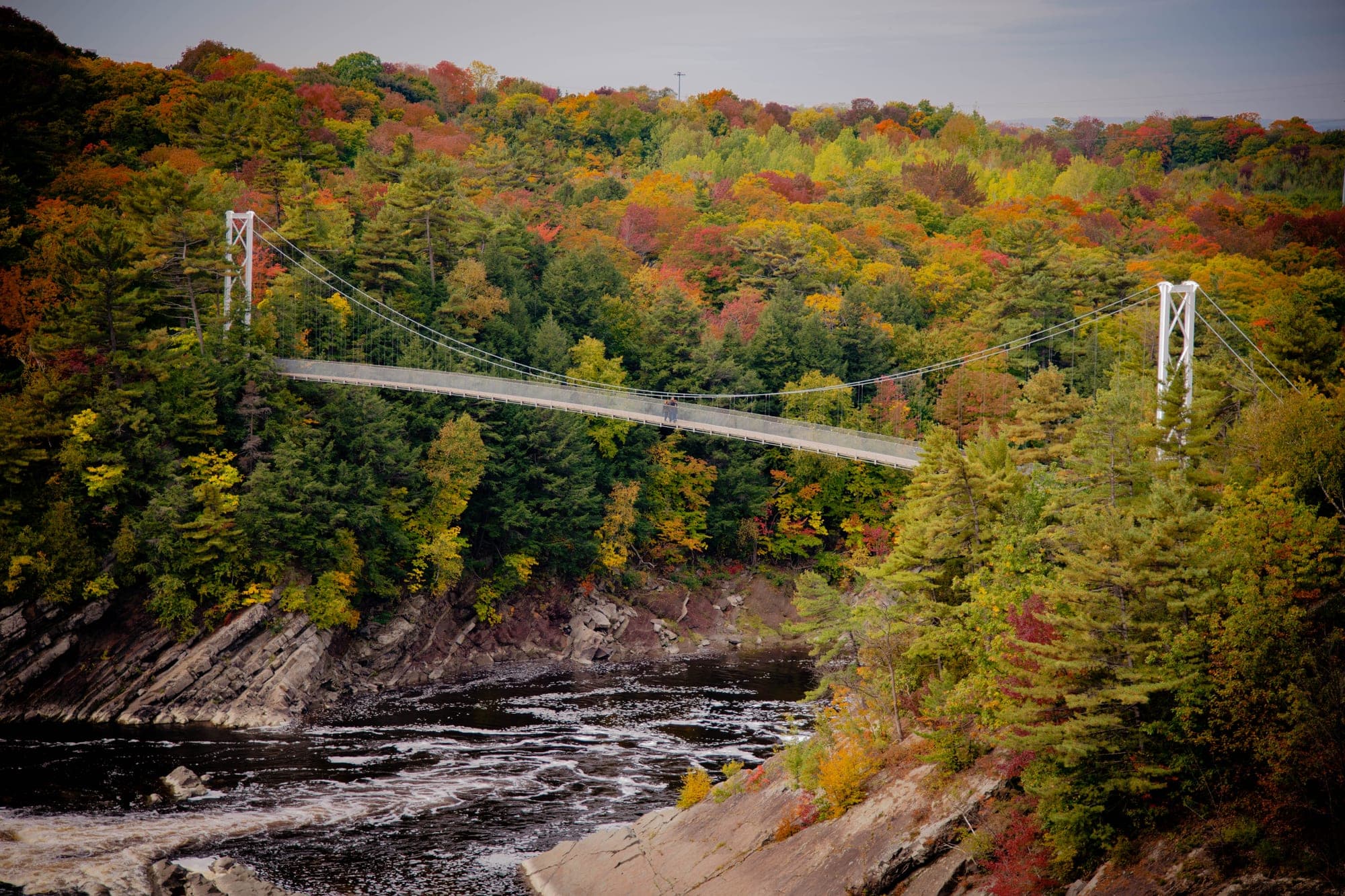
Fall foliage does not turn on one national date. Peak foliage dates move in waves, north to south and high to low, and a trip planned around a single fixed week can just as easily land before the color or after it has dropped.
This guide covers the 2026 regional peak windows for New England, Colorado and the Blue Ridge, how elevation and latitude change the timing within each region, and how to build a route flexible enough to follow the color rather than guess at it. This guide was last verified against official sources on August 25, 2026. Reservations, permits, fees, closures and seasonal conditions change, so re-check the official source linked beside any changing rule before you travel.
The quick answer
Think in waves rather than one national peak date. Northern New England and high-elevation western locations turn first; the Mid-Atlantic and the southern Appalachians follow later.
| Region | Best planning window | 2026 planning note |
|---|---|---|
| Northern Maine / northern New England | Late September to early October | North-to-south progression; check live reports |
| Vermont / New Hampshire | Late September to mid-October | Higher and northern areas usually first |
| Colorado high country | September to early October | 2026 drought may accelerate color and leaf drop |
| Mid-Atlantic | Mid- to late October | Latitude and elevation create staggered peaks |
| Blue Ridge / Smokies | October to early November | High elevations first, valleys later |
The best strategy is to choose a region and a flexible route, then shift north or south, or up or down in elevation, as live reports change.
New England: the classic fall foliage road trip
For the stereotypical red-orange-gold American fall, start with Vermont, New Hampshire and Maine. Vermont's foliage season generally begins in mid-September and runs through the first weeks of October. Maine's forestry agency describes a north-to-south progression, with northern areas typically peaking before central, mountain and coastal areas.
A flexible 7-day route
- Days 1-2: Vermont. Build around Route 100, the Green Mountains and the latest state foliage reports.
- Days 3-4: New Hampshire. Move toward the White Mountains and the Kancamagus corridor, keeping one hiking day and one scenic-driving day.
- Days 5-7: Maine. If color is early, stay inland and north. If it's late, shift toward central or coastal areas.
Colorado: elevation matters more than one statewide date
The Colorado State Forest Service says higher and more northern aspen stands generally turn first, followed by lower and more southern locations. Current 2026 reporting also points to drought stress potentially pushing parts of the season earlier and shortening the viewing window.
- Choose two elevation bands rather than one fixed town.
- Keep a high-country route and a lower-valley backup.
- Check road, fire and weather conditions before committing to a pass.
- Build the itinerary so one missed grove does not ruin the trip.
Blue Ridge Parkway and Great Smoky Mountains
Blue Ridge fall foliage runs longer than most regions because elevation varies so much across the parkway. Great Smoky Mountains National Park says high-elevation color can start early, while the strongest lower- and mid-elevation color commonly arrives later in October and can continue into early November.
Best fall foliage Xpeditions to build
| Trip | Length | Search intent |
|---|---|---|
| New England Fall Foliage Road Trip | 7-10 days | fall foliage road trip, New England fall foliage |
| Vermont Route 100 Fall Colors | 3-5 days | Vermont fall foliage |
| New Hampshire White Mountains + Kancamagus | 3-4 days | New Hampshire fall foliage |
| Maine Fall Foliage Road Trip | 4-6 days | Maine fall foliage |
| Colorado Aspen Fall Colors | 4-6 days | Colorado fall colors |
| Blue Ridge Parkway Fall Road Trip | 5-7 days | Blue Ridge fall colors |
How to use a foliage forecast without missing the season
- Book a region, not a single tree. Give yourself mobility.
- Check live reports 7 to 10 days out. National forecast maps are planning tools; local reports become more useful near departure.
- Use elevation as a second calendar. If high areas are past peak, move lower; if valleys are still green, climb.
- Watch wind and storms. Peak leaves can disappear quickly after strong weather.
- Have non-foliage anchors. Hikes, towns, food stops and scenic roads keep the trip worthwhile even if the color is imperfect.
Xavier, the AI agent companion at xploreum.io, turns a region and a flexible date range into a day-by-day Xpedition: driving legs, trailheads, campsites and stays on one interactive map, so a shift in the color report means adjusting a plan instead of rebuilding one. Browse Xpeditions to see how a route like this comes together, or describe your trip directly to Xavier.
If a national park sits on your foliage route, check its 2026 reservation rules before you build the days around it: several popular color corridors run through parks with timed entry.
Turn what you read into a trip.
Bring the route, campsites, and stops together with Xavier.
Frequently asked questions
When is peak fall foliage in New England in 2026?
Northern New England generally turns first. Maine, Vermont and New Hampshire commonly produce strong color from late September into early or mid-October, but local weather and elevation can shift timing.
When do Colorado aspens peak in 2026?
Higher and northern areas usually turn first in September, followed by lower valleys. In 2026, drought increases the possibility of an earlier and shorter season in some areas.
What is the best fall foliage road trip in the USA?
For classic multi-state color, a New England loop through Vermont, New Hampshire and Maine is one of the strongest options. Colorado offers a shorter, elevation-driven golden-aspen season.
Can fall foliage dates be predicted exactly?
No. Forecast maps are planning tools, not guarantees. Temperature, drought, storms, wind, elevation and latitude all affect timing.
Sources
Rules, closures, fire restrictions, food-storage requirements, water conditions and permit systems can change. Verify your destination with the managing agency before departure.