
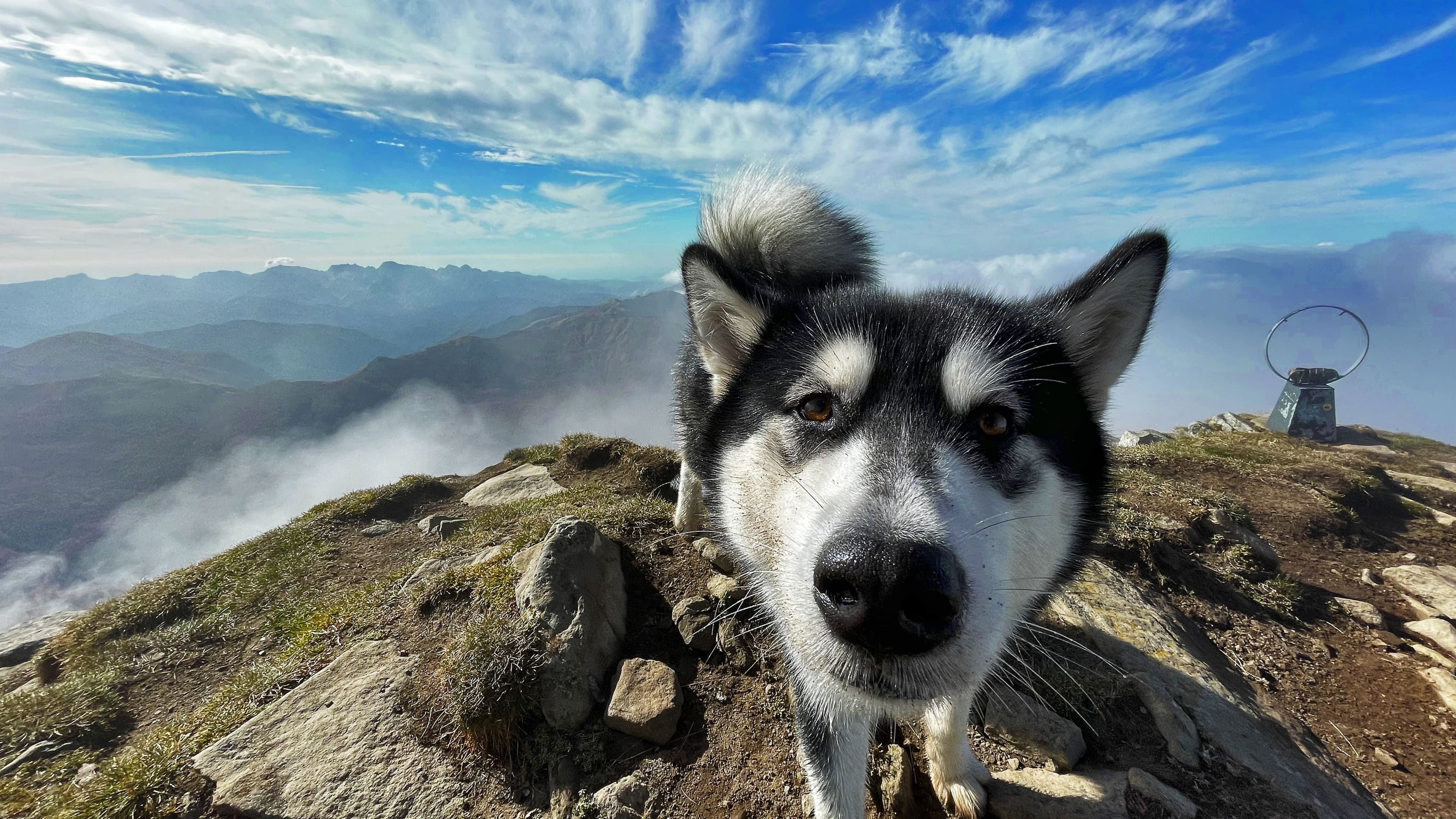
Hiking with your dog is one of the better things you can do together. The catch is that "dog-friendly" doesn't mean the same thing everywhere. Some trails welcome dogs on a six-foot leash and nothing more. Others require permits, close certain sections seasonally, or ban dogs entirely during nesting periods. Getting this wrong means driving hours to a trailhead only to find a sign turning you around.
This guide covers the best dog-friendly hiking trails across North America's main regions for 2026, what to know before you go, and how to plan a multi-day trip with your dog without burning a weekend on research.
What "Dog-Friendly" Actually Means on the Trail
Before getting into specific trails, it helps to understand the categories. In the US, most National Park trails don't allow dogs beyond paved areas and campgrounds. National Forests, Bureau of Land Management (BLM) land, and state parks are generally far more permissive, typically allowing leashed dogs on all trails.
In Canada, rules vary by province and park type. Parks Canada properties have their own regulations, while provincial parks tend to be more flexible.
The practical checklist before any hike:
- Leash requirement (most trails: six feet maximum)
- Waste bag rules (pack out required almost everywhere)
- Water sources along the route
- Wildlife activity in the area (bear, moose, and rattlesnake zones require extra awareness)
- Heat and terrain suitability for your dog's breed and fitness level
Pacific Northwest and the West Coast
Olympic Peninsula, Washington
The Olympic National Forest surrounding Olympic National Park is a strong starting point for Pacific Northwest hiking with dogs. The national park itself restricts dogs on most trails, but the adjacent national forest land opens up hundreds of miles where leashed dogs are welcome. The Quinault Rain Forest loop trails and sections of the Hoh River corridor outside park boundaries are worth researching for your specific dates.
Columbia River Gorge, Oregon and Washington
The Columbia River Gorge National Scenic Area has a mix of dog-friendly and restricted trails. Dog Mountain, on the Washington side, is one of the most popular options in the region, a steep 6.8-mile loop with panoramic views of the gorge. Weekend hiking permits are required during the spring wildflower season. Dogs must be on leash. The trailhead fills early on weekends, so arriving before 8 AM is practical advice, not just a suggestion.
Point Reyes National Seashore, California
Point Reyes is one of the rare National Park Service units that allows dogs at all, though the access is limited to beaches rather than the main trail network. Leashed dogs are welcome on sections of Limantour, North, South, and Kehoe Beaches, and on the Kehoe Beach Trail, which is the one trail in the park that permits dogs. Most of the park's trails, including the popular Bear Valley Trail, are closed to dogs, and a seasonal closure protects the western snowy plover south of the Kehoe Beach Trail from March through September. Keep your dog on a six-foot leash, and the coastal scenery is hard to match anywhere on the West Coast.
The Rocky Mountain Region
Roosevelt National Forest, Colorado
Colorado's national forests are among the most dog-permissive public lands in the country. Roosevelt National Forest north of Boulder has dozens of trail options where leashed dogs are welcome. The Rawah Wilderness trails, accessible from the Laramie River Road trailhead, offer multi-day backcountry options with reliable water sources and dispersed camping. This is genuine backcountry terrain, so your dog needs to be fit and conditioned for elevation.
Grand Teton National Park, Wyoming
Grand Teton follows the standard National Park rule: dogs are prohibited on all park trails and in the backcountry, including the Phelps Lake Loop. Pets are allowed only where a car can go, on a six-foot leash and within 30 feet of a road, which covers campgrounds, picnic areas, parking areas, and road shoulders. For actual hiking with your dog near the Tetons, the surrounding Bridger-Teton National Forest is the better option and allows leashed dogs on its trails. This is also active grizzly bear country, so keep your dog leashed and close.
Glacier National Park, Montana
Glacier is largely off-limits for dogs on backcountry trails, but dogs are allowed in campgrounds and on certain frontcountry roads and paths. The surrounding Flathead National Forest compensates with extensive dog-friendly trail access. If your goal is a multi-day hiking trip in the Glacier region, combining national forest days with a frontcountry Glacier day is a practical approach.
The Southwest
Sedona, Arizona
Sedona's red rock country is one of the most dog-friendly hiking destinations in the American Southwest. The Coconino National Forest manages most of the trail network around Sedona, and leashed dogs are welcome on nearly all of it. Bell Rock Trail, the lower sections of Cathedral Rock Trail, and Soldier Pass Trail are all accessible with dogs. Summer heat here is serious, with temperatures that regularly exceed 100°F. Plan hikes for early morning, carry more water than you think you need, and check the trail surface temperature before you start.
Zion National Park, Utah
Zion is one of the more frustrating destinations for dog owners. Most of the iconic trails, including Angels Landing and The Narrows, are off-limits to dogs. Dogs are allowed on the Pa'rus Trail, a paved 3.5-mile path along the Virgin River. For serious hiking in the Zion region with your dog, the adjacent Dixie National Forest and BLM land offer far more access.
Big Bend Region, Texas
Big Bend National Park restricts dogs to paved roads and developed areas, and the neighboring Big Bend Ranch State Park allows leashed dogs only on the Closed Canyon and Hoodoos trails and within a quarter mile of campsites and roads. Texas state parks generally allow leashed dogs on trails, and Big Bend Ranch's remote desert terrain is genuinely spectacular. Water is scarce in this region, so carrying enough for both you and your dog is non-negotiable.
The Southeast
Pisgah National Forest, North Carolina
The southern Appalachians are excellent dog-friendly hiking territory. Pisgah National Forest in western North Carolina has hundreds of miles of leash-required trails, including access to waterfalls, ridgelines, and the Art Loeb Trail. The Black Balsam Knob area offers above-treeline hiking that feels more like the Rockies than the Southeast, and the elevation keeps temperatures manageable even in summer.
Chattahoochee National Forest, Georgia
North Georgia's Chattahoochee National Forest covers a large swath of the southern Appalachians and is broadly dog-friendly on leash. The Appalachian Trail corridor through this forest is accessible to dogs, making it a good entry point for anyone considering a thru-hike section with their dog. The Blood Mountain Loop is one of the most popular day hikes in the region.
Shenandoah National Park, Virginia
Shenandoah is one of the most dog-friendly national parks in the eastern US. Dogs are allowed on more than 480 miles of trails within the park, including most of the Appalachian Trail corridor. The restrictions cover fewer than 20 miles of trail, including Limberlost, Dark Hollow Falls, Stony Man, and the Old Rag trails. Skyline Drive doubles as a useful planning route for multi-day hiking trips through the park.
The Northeast
Acadia National Park, Maine
Acadia is unusually welcoming for a national park. Dogs are allowed on 45 miles of carriage roads and 100 miles of hiking trails within the park. The exceptions are the ladder trails, which involve iron rungs and steep exposed rock, and Sand Beach. The carriage road network alone gives you and your dog a full day of varied terrain without retracing ground.
Adirondack Park, New York
The Adirondacks are one of the best dog-friendly hiking destinations in the Northeast. The park is a patchwork of state land where leashed dogs are generally welcome. The High Peaks Wilderness has some of the most demanding terrain in the eastern US, while the lower peaks and lake trails offer more accessible options. Black flies from May through June are genuinely brutal, so plan accordingly.
White Mountain National Forest, New Hampshire
The White Mountains are open to leashed dogs on most trails. The Presidential Range is exposed, rocky, and subject to severe weather at any time of year, making it terrain for fit, experienced dogs and their owners. The lower valley trails around Franconia Notch and Crawford Notch are more accessible and still deliver serious scenery.
Canada
Kananaskis Country, Alberta
Kananaskis Country, west of Calgary, is one of the best dog-friendly hiking destinations in Canada. Unlike Banff National Park, which has stricter rules, Kananaskis is managed by Alberta provincial parks and allows leashed dogs on most trails. The scenery rivals anything in Banff, and the trails are significantly less crowded. Rawson Lake Trail and the Galatea Lakes Trail are standouts.
Manning Provincial Park, British Columbia
Manning Park, a few hours east of Vancouver, is a solid dog-friendly destination in BC. Dogs are allowed on most trails within the park on leash. The Heather Trail offers a multi-day backpacking option through open alpine terrain that's genuinely spectacular in late summer when the wildflowers are out.
Cape Breton Highlands National Park, Nova Scotia
Cape Breton is one of the more permissive Parks Canada properties for dogs. Leashed dogs are allowed on most frontcountry trails, including sections of the Cabot Trail corridor. The Skyline Trail, one of the most photographed hikes in Atlantic Canada, does not permit dogs, so plan your dog's hiking around the park's other trails.
Planning a Dog-Friendly Hiking Trip Without the Research Spiral
A multi-day dog-friendly hiking trip has more moving parts than a standard hiking trip. You need to confirm trail access rules, find dog-friendly accommodations or dispersed camping options, identify water sources, and build in rest days if the terrain is demanding. Doing all of that across multiple tools and websites takes hours.
Xavier, the AI agent companion at xploreum.io, builds an Xpedition from a plain-language description of your trip, one day at a time. Describe your destination, travel style, your dog's fitness level, preferred activities, and budget, and Xavier produces a mapped itinerary that can include driving legs, trailheads, dispersed campsites, accommodations, and resupply stops. If you already have bookings confirmed, you can record those details in your Xpedition's booking log with Xplorer Pro so everything stays in one place.
For anyone planning a multi-day backcountry trip with a dog, the guide to planning multi-day backcountry trips with campsites and resupply covers the logistics in detail. And if you want to compare planning tools before committing to one, the 2026 roundup of the best AI trip planners for outdoor adventures is a useful reference.
Essential Gear for Hiking with Your Dog
A few items make a real difference on longer hikes:
- Collapsible water bowl and extra water: Dogs need roughly one ounce of water per pound of body weight per day of activity, and even more in heat.
- Dog-specific first aid kit: Includes paw balm, tweezers for ticks, and a muzzle in case of injury.
- Dog backpack: For fit, larger dogs on multi-day trips, a properly fitted pack lets your dog carry their own food and some gear.
- Tick prevention: Essential in most of the regions covered here, particularly the Northeast, Southeast, and Pacific Northwest.
- Booties: Worth considering for desert terrain in summer and rocky alpine terrain where sharp edges are common.
Regional Quick Reference
| Region | Best Dog-Friendly Option | Key Rule |
|---|---|---|
| Pacific Northwest | Columbia River Gorge (Dog Mountain) | Leash required |
| Rockies | Roosevelt National Forest, CO | Leash required |
| Southwest | Sedona (Coconino NF) | Leash required; avoid midday heat |
| Southeast | Pisgah National Forest, NC | Leash required |
| Northeast | Acadia National Park, ME | Leash required; ladder trails excluded |
| Alberta, Canada | Kananaskis Country | Leash required |
| BC, Canada | Manning Provincial Park | Leash required |
Planning a whole trip, not just a trail? See how to plan a dog-friendly camping road trip for screening campgrounds, trails and heat.
Frequently asked questions
Are dogs allowed in US National Parks?
Most US National Parks restrict dogs to paved paths, campgrounds, and parking areas. A few exceptions exist. Acadia and Shenandoah both allow dogs on most hiking trails on leash. National Forests and BLM land are generally far more permissive.
What leash length is required on most dog-friendly hiking trails?
The standard on most public land trails in both the US and Canada is a maximum six-foot leash. Retractable leashes technically fall within this limit but are discouraged on narrow trails and in wildlife areas because they give you less control when it matters.
Can I take my dog on backcountry camping trips?
Yes, on most National Forest, BLM, and provincial park backcountry land. Your dog needs to be fit for the terrain and distance, and you need to pack out all waste. Some wilderness areas have specific rules about dogs, so confirming before you go is important.
What are the biggest hazards for dogs on hiking trails?
The most common are heat and dehydration, wildlife encounters (bears, coyotes, rattlesnakes, porcupines), ticks, and rough terrain that can cut paw pads. Knowing the specific hazards for your region and season helps you prepare appropriately.
How do I find dog-friendly accommodations near trailheads?
Pet-friendly lodging near popular trailheads is increasingly common but books quickly, especially in summer. Dispersed camping on National Forest and BLM land is often the most flexible option for dog owners, with no nightly fees and no pet policies to navigate.
Is it safe to hike with a dog in bear country?
Yes, with precautions. Keep your dog on a short leash at all times, carry bear spray, make noise on the trail, and don't let your dog approach or chase wildlife. Some rangers advise against bringing dogs into active grizzly areas because a dog can provoke a bear and then run straight back to its owner.
How can I plan a multi-day dog-friendly hiking trip without spending hours on research?
Describe your trip to Xavier at xploreum.io in plain language. Include that you're traveling with a dog, your destination, and your preferred activities, and Xavier builds a mapped Xpedition one day at a time, with you confirming each day. You can also explore the best apps for hiking and camping trip planning to see how different tools compare before you commit to one.
Before you go
The best dog-friendly hiking trips come down to preparation. Know the rules before you arrive, match the terrain to your dog's fitness level, carry more water than you think you need, and have a plan for the unexpected. The trails above cover a wide range of terrain, difficulty, and scenery across North America. Pick one that fits your dog, your schedule, and your sense of adventure, and go.
Turn what you read into a trip.
Bring the route, campsites, and stops together with Xavier.
Sources
- National Park Service: Point Reyes National Seashore, Pets. Accessed October 5, 2026.
- National Park Service: Grand Teton National Park, Pets. Accessed October 5, 2026.
- National Park Service: Zion National Park, Pets. Accessed October 5, 2026.
- National Park Service: Shenandoah National Park, Pets. Accessed October 5, 2026.
- National Park Service: Acadia National Park, Visiting With Pets. Accessed October 5, 2026.
- USDA Forest Service: Columbia River Gorge National Scenic Area, Dog Mountain Trail. Accessed October 5, 2026.
- Texas Parks and Wildlife: Big Bend Ranch State Park, dog policies. Accessed October 5, 2026.
- Parks Canada: Cape Breton Highlands National Park, Skyline Trail. Accessed October 5, 2026.